
The Quiet Power of Layering Textures
In the art of interior design, texture is a quiet storyteller. It whispers warmth, invites touch, and gives rooms a soul beyond color or form. Even in minimalist or monochromatic spaces, layering textures transforms a space from flat and formal into lived-in, inviting, and soulful.
Think of a neutral room: linen drapes softly brushing the floor, a wool throw casually folded over a chair, the cool solidity of a stone tabletop, and the natural grain of wood underfoot. Each material speaks its own language, yet together, they compose a harmonious dialogue. The gentle interplay of soft and hard, smooth and rough, creates a rhythm that encourages the senses to pause and appreciate the moment; a reflection of the Japanese concept of Ma, the space between objects that allows presence and calm to emerge.
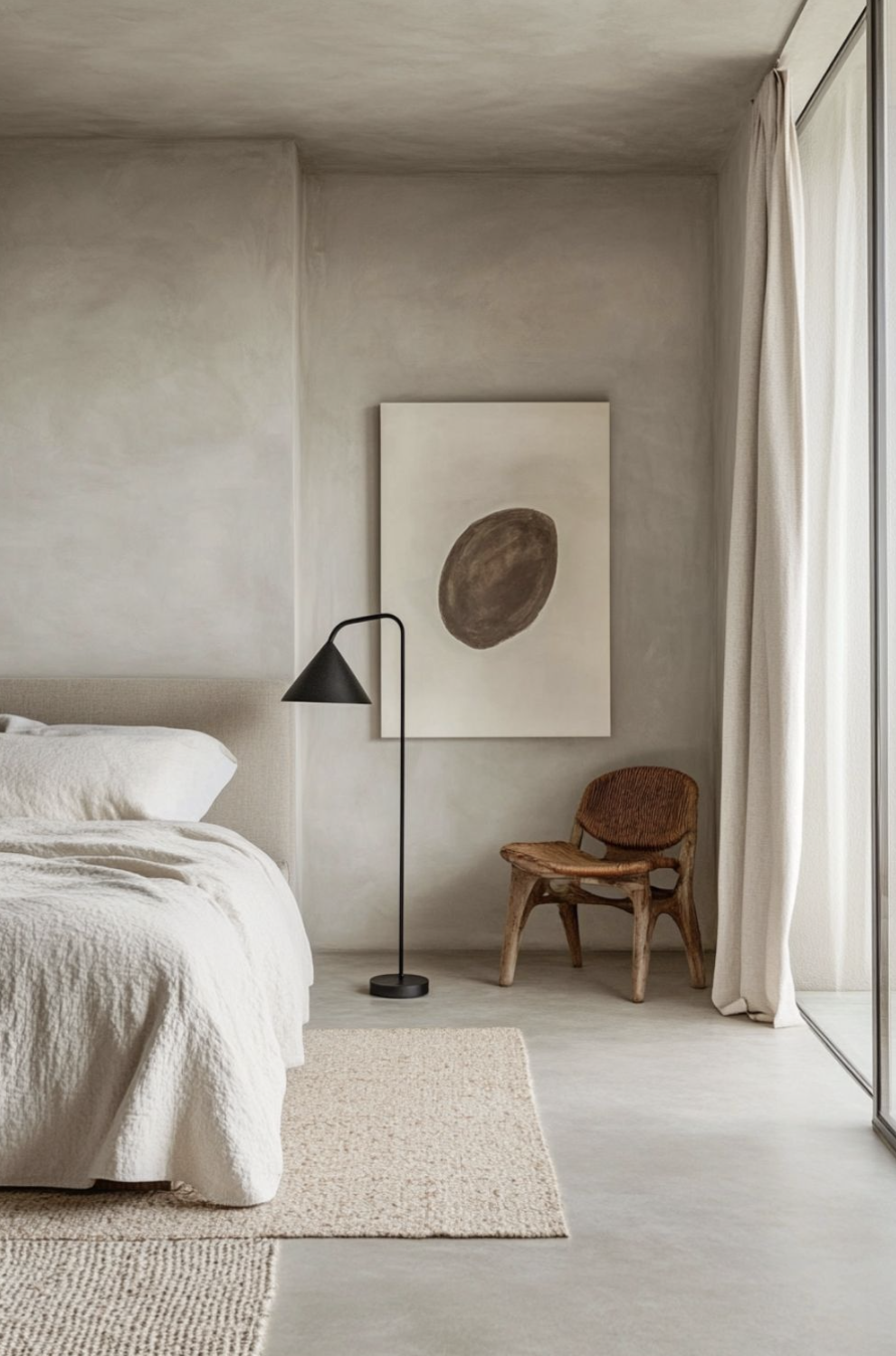
Image: Pinterest - Aryafhs
The key is subtlety
Layering textures does not mean clutter; it means intention. Let surfaces converse, not compete. A linen cushion on a velvet sofa, a jute rug atop a smooth wooden floor, a stone vase on a leather mat; these combinations create depth that is sensed before it is consciously perceived. Each texture becomes a note in a carefully composed symphony, where empty space amplifies the beauty of the elements you do include.
Texture also brings rhythm and warmth to a room. It balances light and shadow, softens clean lines, and encourages sensory engagement. When paired with Hygge-inspired touches, such as a softly glowing candle, a cozy knit throw, or a gently worn wooden stool, texture transforms minimalism into comfort. It reminds us that a room is not just a visual experience but an emotional one; a space where we can rest, reflect, and feel at ease.

Image: Pinterest - Aryafhs
Layering textures invites mindfulness. It encourages us to slow down and notice the way a rough stone contrasts with a soft wool rug, or how a smooth wooden tabletop feels under the hand while a woven basket catches the eye. These tactile details enrich a space without overwhelming it, creating subtle complexity within simplicity. In this way, a minimalist room does not feel stark; it feels intentional, thoughtful, and alive.
And here is where design becomes personal.
The perfect balance of textures is not dictated by rules; it is felt. You’ll know when a space truly resonates, when the layers converse effortlessly, and when every material, every pause, every soft corner feels exactly right for you. It’s an intuitive awareness that transforms a room from mere arrangement to reflection of your personality, lifestyle, and sensibilities.
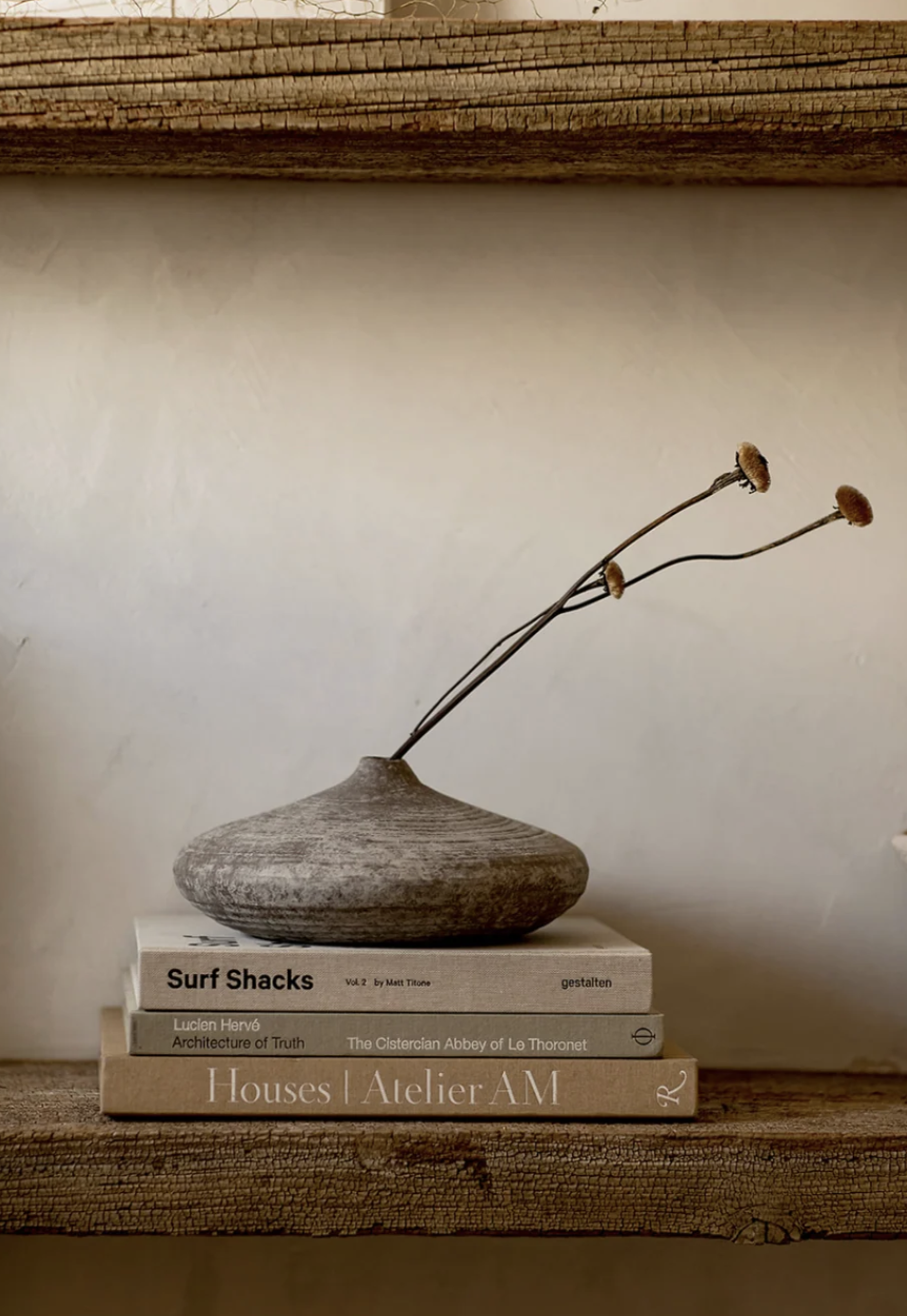
Image: Costa Vase by Left On Hand
Tip in Practice
Begin with one material per layer. Pair a soft textile with a harder surface, and add one accent texture. Step back. Observe how the elements interact and remove anything that feels heavy or redundant. Allow negative space to breathe between pieces (the Ma) and let your textures tell the story. Over time, your space becomes more than a room: it becomes a refuge, a tactile narrative, a home imbued with warmth, calm, and understated sophistication.
-
In interior design, as in life, it is the subtle details that carry the greatest meaning. Layer thoughtfully, touch deliberately, and let your spaces speak with quiet elegance. The harmony of textures, combined with mindful pauses, cozy comforts, and your own personal intuition, turns any space into an environment that nourishes both the body and the soul.
Discover how thoughtful design can transform your home into a haven. Reach out to start the conversation.